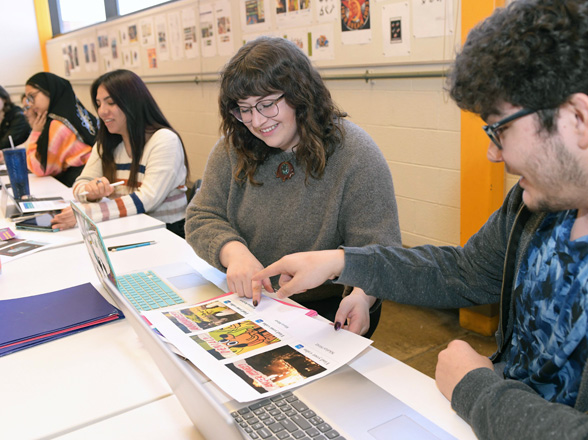
Photographic Technology Concentration
You see the moments that matter. There’s an interplay of light and shadow. That blue
you feel in your bones when you crest the dunes and see the lake.
Photographers use math, technology, chemistry, and physics to make art. They make
a living making images that matter.
Our courses teach you the equipment, the techniques, and the critical eye you need
to become a better photographer.
A Better Eye
As you set up, capture, and process your imagery, sharpen your eye. Bring nuance and drama to your compositions. Understand how your art and your photographic technique fit in the history of photography.
Stronger Technique
Operate specialized equipment with confidence, from photographic enlargers to barn doors on a studio light. At OCC, you practice your art to refine it.
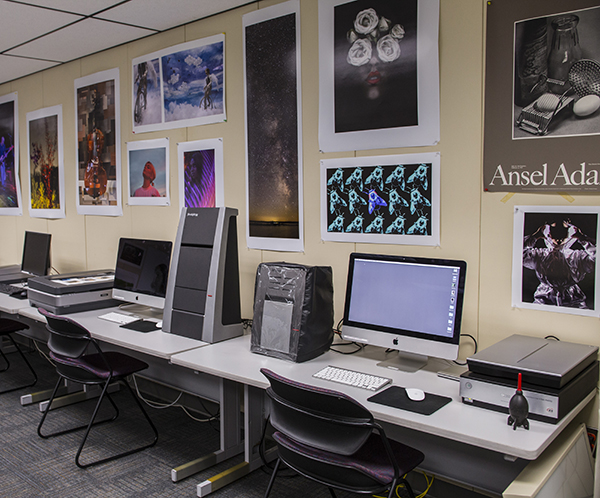
Digital Photo Lab at Royal Oak
Our classes and facilities have the full breadth you need as a professional photographer:
- Studio lighting
- Location lighting
- Industry-standard software
- Lending library of cameras and technology
- Black and white darkroom
- Color darkroom
- Color film processing (both C-41 and E-6)
- Digital and analog approaches
People Who Might Just Get You
They’re here—in classes, in the red safelight glow of the analog darkroom, and in the computer lab as you work on color balancing your image. Other humans, developing film and photo skills. Troubleshooting with you. Helping you see something new.
See Your Path in Photography
Photographers work in a range of roles and professions:
- Architectural photographer
- Archivist
- Art educator
- Commercial photographer
- Event photographer
- Fine artist
- Food photographer
- Hobbyist
- Influencer
- Lab technician
- Photo retoucher
- Photo stylist
- Photojournalist
- Portrait photographer
- Public relations specialist
- Travel photographer
- Wedding photographer
Our alumni go on to earn bachelor’s and graduate degrees in photography and related arts. Some open their own studios or retail galleries. Some keep working on the projects that matter to them well into retirement. It’s your path—develop it at OCC.
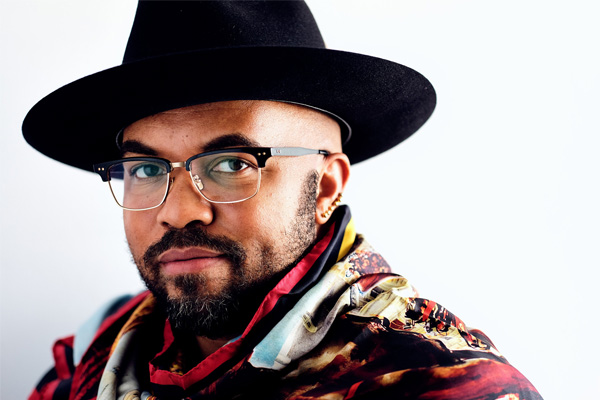
From OCC Student to DIA Artist
See how Associate in Arts graduate, Corey Turner, transformed his passion for photography into a career recognized by the Detroit Institute of Arts.
Read Corey’s Story
Grow as an artist, scholar, or entrepreneur
Consult an OCC counselor or academic advisor to make your plan for this concentration.
Open Doors with Your Associate Degree
Earn this concentration as part of your Associate in Arts (AA). Generally, this associate degree can be finished by full-time students in about two years (including summer terms). Your completion time depends on:
- Applicable credits from another program or college
- Your preparation for required courses
- The number of courses you take each term
- Your goal after graduation: You may need more courses to fulfill the Michigan Transfer Agreement, for example.
Photography is one of four fine and performing arts concentrations offered within the OCC AA.
Enroll Now
Begin your studies with these steps:
- Apply to OCC. If you’re not already an OCC student, create a profile and complete our online application.
- On the application, select Associate in Arts.
- Existing OCC students: Update your academic program using the Change of Program form.
More to Explore
Considering an Associate in Arts degree? You might also be interested in these: